Here's the thing: the clothes themselves aren't the problem. The smell is coming from somewhere in the process — the machine, the habits, the fabric, the drying routine. And because the root cause is almost always identifiable, it's also fixable.
This guide breaks down exactly why clean laundry smells bad, what happens when the problem compounds over time, and how to build a routine that produces genuinely fresh results — not just masked ones.
Key Takeaways
- Laundry odors trace back to bacteria and mold in the machine, wet clothes sitting too long, detergent residue buildup, or incomplete drying
- Rewashing won't fix the problem if the machine or drying routine is the actual source
- White vinegar and baking soda neutralize existing odors, but prevention requires consistent habits
- Synthetic fabrics like polyester trap body oils that trigger "odor rebloom," releasing stale smells the moment you start sweating
- Long-term freshness requires treating the washing machine as part of the cleaning equation, not just the clothes
Common Causes of Clothes Smelling Bad After Washing
Laundry odors after washing aren't random. They trace back to one of the same recurring problems, and identifying the specific cause is what makes any fix actually stick.
Bacteria and Mold Inside the Washing Machine
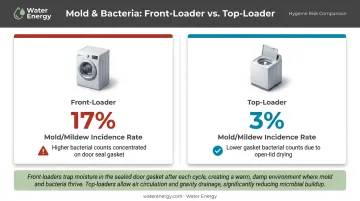
Washing machines — especially front-loaders — trap moisture in the drum, rubber gasket, detergent drawer, and drain filter. That creates a warm, dark, damp environment where bacteria and mold thrive. When the next load goes in, those microbes transfer directly to the "clean" clothes.
Research published in PMC found that front-loader door seals carried significantly higher mean bacterial counts than top-loader gaskets. Consumer Reports found that 17% of front-loader owners reported mold or mildew problems, compared to just 3% of top-loader owners — a gap driven by the front-loader's tight-sealing design, which locks in moisture between cycles.
Common triggers that make this worse:
- Keeping the washer door closed between cycles
- Skipping regular machine cleaning
- Relying exclusively on cold-water cycles (cold water is less effective at clearing bacteria over time)
- Ignoring the rubber gasket, which is a prime breeding ground for mold
Leaving Wet Clothes in the Washer Too Long
Once the wash cycle ends, bacteria already in the fabric and machine have exactly what they need: warmth, moisture, and organic residue. The result is that distinctive sour or dank smell that sets in faster than most people expect.
Appliance makers including Whirlpool consistently link prolonged wet-fabric exposure with mildew and odor — and the effect is especially pronounced in heavy fabrics like towels and denim, which hold more moisture and take longer to release it.
Detergent Residue and Overloading
More detergent doesn't mean cleaner clothes. Excess detergent leaves a sticky residue on fabric fibers and inside the drum, which traps body oils, dirt, and bacteria — creating a persistent odor source that builds wash after wash. Too little detergent causes the opposite problem: body oils aren't fully removed in the first place.
Overloading compounds both issues. When the drum is packed, water and detergent can't circulate properly to reach every item.
The most common triggers:
- Estimating rather than measuring detergent
- Using regular detergent in a high-efficiency (HE) machine, which creates excess suds and poor rinsing
- Habitually filling the drum to capacity to save time
Improper Drying and Fabric Type
Even freshly washed clothes can develop odors if they're folded or stored before they're fully dry. Damp fabric in a closed drawer or wardrobe breeds mildew fast.
Fabric type adds another layer to the problem. Synthetic materials — polyester, nylon, spandex — are hydrophobic: they repel water but trap body oils deep in the fiber structure. A 2014 study published in PMC found polyester shirts were rated notably more intense and unpleasant-smelling than cotton after exercise, with odor-associated bacteria growing preferentially on synthetic fibers. This produces "odor rebloom" — clothes smell clean out of the dryer, then start to smell again the moment body heat or fresh sweat contacts them.
Situations that accelerate this:
- Folding laundry while still warm and slightly damp
- Air-drying indoors in a low-airflow area
- Skipping lint trap cleaning (which reduces dryer efficiency)
- Putting gym clothes straight into a hamper without airing them out first
What Happens When the Problem Goes Unaddressed
Ignoring laundry odors means more than putting up with smelly clothes — the problems multiply with every load.
Left unchecked, a few overlooked cycles create cascading damage:
- Bacterial colonies inside the machine grow denser, so each new load comes out dirtier than the last
- Detergent residue accumulates in fabric fibers, degrading quality and shortening garment lifespan
- For people with sensitive skin or eczema, that residue directly triggers irritation
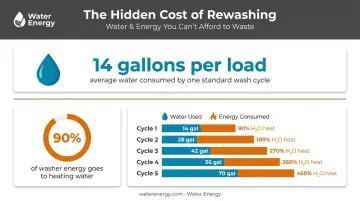
Beyond the damage to clothes and skin, the resource cost adds up fast. Repeated rewashing burns through water and energy without fixing the underlying problem.
According to ENERGY STAR, a full-size certified washer uses 14 gallons per load — each unnecessary rewash adds that cost in water alone, plus the energy to heat it (which accounts for roughly 90% of washer operating energy).
Warning signs your laundry routine has a problem:
- Clothes smell sour or musty immediately after the wash cycle — before they've even sat in the basket — which points to the machine as the source
- Towels and workout clothes develop a persistent wet or sour smell within an hour of wearing, even after a full wash and dry (classic odor rebloom)
- The washer itself smells musty when you open the door, or there's visible dark residue around the rubber gasket
How to Prevent Clothes from Smelling Bad After Washing
Prevention comes down to four habits that address root causes — not just masking odors.
Clean Your Washing Machine on a Regular Schedule
Run an empty hot or sanitizing cycle monthly using approximately 2 cups of white vinegar poured into the drum or detergent dispenser, or use a commercial cleaning tablet. After the cycle, wipe the rubber gasket, detergent drawer, and drum interior with a damp cloth — an old toothbrush handles stubborn buildup in gasket folds.
Leave the door and detergent drawer open after every load so the machine can air out completely. This removes bacterial and mold colonies before they transfer to clean clothes — cold-water washes alone won't eradicate bacteria over time. Whirlpool recommends cleaning every 30 cycles; Samsung's reminder triggers after 20 to 40 cycles depending on machine type.
Transfer Clothes Immediately and Dry Completely
Move wet clothes to the dryer or a ventilated drying area as soon as the cycle ends — set a timer to stay on schedule. Shake out garments before loading to improve airflow, and clean the lint trap before every dryer cycle.
When air-drying indoors, use a fan or position items near a window. Never fold or store anything that feels even slightly cool or damp. Bacteria multiply fast in wet fabric — cutting that window short, then storing clothes fully dry in a ventilated space, gives mold and mildew nothing to work with.
Use the Right Detergent Amount and Wash Cycle
Measure detergent based on actual load size and soil level — follow the manufacturer's guidelines rather than estimating. Use HE-specific detergent in HE machines. Never fill the drum more than three-quarters full.
For persistently smelly items, choose a longer wash cycle over the express setting — extended cycles give detergent more time to penetrate fabric and rinse out completely. For already-soured clothes, add half a cup of baking soda to the drum or a cup of white vinegar to the rinse cycle. Vinegar's acidity neutralizes alkaline detergent residue, which is one of the primary compounds trapping odors in fabric.
Address Persistent Odors with Ozone-Based Washing
The three habits above resolve most laundry odor problems. For households where smells keep returning despite consistent effort — particularly in synthetic workout gear, pet bedding, or towels — ozone-based washing targets the source rather than managing symptoms.
Water Energy's Storm system delivers 0.8 to 1.6 ppm of dissolved ozone directly into the wash cycle using their proprietary TecH2Ozone process — originally developed in the 1990s for NASA's Space Shuttle Program, where engineers needed to clean Solid Rocket Boosters and enormous parachutes without generating toxic wastewater. That same mass transfer technology now works in a residential unit that installs in about 30 minutes with no plumbing modifications.
How ozone handles odor differently:
- Breaks down odor-causing organic compounds at the molecular level — no fragrance masking
- Works in cold water, eliminating the trade-off between energy efficiency and bacterial removal
- Cuts detergent use by up to 75%, reducing the residue buildup that causes post-wash odors
- Destroys mold spores during the wash cycle, preventing clothes from re-souring even if they sit damp before drying
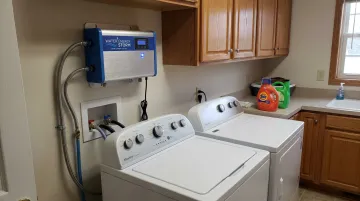
Customer Lura H. from Tennessee washed slightly soured towels on her first use and reported they "came out smelling like new — without using any detergent. No perfume smell covering anything up." Kim H. from Pittsburgh washes all her dog's bedding with ozone alone: "It keeps them smelling like new."
The Storm carries CE RoHS and ISO 9001:2015 certifications, operates at just 25 watts, and requires no ongoing maintenance — no filters, no consumables, nothing to replace.
Tips for Long-Term Prevention
Build these habits into your routine and consistently fresh laundry follows:
- Clean the machine every 30 to 90 days — monthly for front-loader owners or households running 7+ loads per week; wipe the gasket after every use and leave the door open between cycles
- Air out synthetics and athletic gear before tossing them in the hamper — a quick hang on a rack lets moisture escape before bacteria can take hold
- Sort by fabric weight as well as color: washing heavy items like towels and denim separately from lighter garments improves both cleaning results and drying time
- Wash sweaty or heavily soiled items promptly — don't let them sit in a closed hamper for days, where bacteria set odors deeper into the fabric with every passing hour
Conclusion
Clothes smelling bad after washing is a fixable problem. Every major odor cause — machine bacteria, wet sitting time, detergent residue, incomplete drying — has a direct corrective action that doesn't require complicated routines or expensive products.
The households that consistently enjoy fresh laundry treat the washing machine as part of the cleaning equation, not just the clothes. When solid habits still aren't enough, ozone-based systems like Water Energy's Storm go further — using the same NASA-derived ozone technology developed for the Space Shuttle Program to eliminate odor-causing bacteria at the source, not just mask them with fragrance.
Frequently Asked Questions
Why do clothes smell bad after washing?
The most common causes are bacteria and mold inside the washing machine, wet clothes left sitting in the drum after the cycle ends, or detergent residue buildup on fabric fibers. Fixing the root cause, rather than simply rewashing, is what solves the problem.
Why do my clothes smell musty even after they've been dried?
Musty smell after drying usually means clothes were put away slightly damp, the lint trap or dryer vent is reducing airflow, or odor-causing bacteria were deeply embedded in the fabric before washing and weren't fully eliminated during the cycle.
How often should I clean my washing machine to prevent laundry odors?
Monthly cleaning is recommended for frequent users (7+ loads per week) or front-loader owners. Every 60 to 90 days works for lighter use. Run a hot cycle with white vinegar or a cleaning tablet, wipe the gasket, and leave the door open between washes.
Does washing clothes in cold water cause them to smell?
Cold water doesn't directly cause odors, but it's less effective at killing bacteria over time. Relying solely on cold-water cycles without periodic hot or sanitizing machine washes allows bacterial buildup to accumulate in both the machine and the fabric.
Why do synthetic and athletic clothes retain odors even after washing?
Synthetic fibers like polyester repel water but trap body oils deep in the fiber structure. Bacteria feed on those oils and produce odor compounds that re-emerge with warmth and moisture — a phenomenon known as odor rebloom. Ozone-infused water penetrates the fiber structure more effectively than detergent alone, which is why ozone laundry systems address this problem at the source.
Can vinegar and baking soda actually eliminate laundry odors?
Both help with odors already set into fabric. Baking soda absorbs odors and boosts detergent performance; white vinegar neutralizes detergent residue and kills some odor-causing bacteria in the rinse. Neither addresses the root cause in the machine or fabric fibers — for persistent odor problems, a more targeted solution is usually needed.