Washing hunting clothes isn't just laundry. The wrong detergent, water temperature, or drying method can leave chemical residues and UV-brightening agents that betray your position before you ever see an animal. This guide covers exactly how to wash hunting clothes correctly — from machine prep to stain removal to storage — so your gear works as hard as you do.
Key Takeaways
- Always use a scent-free, UV brightener-free detergent — or an ozone-based system that eliminates odors at the molecular level
- Run a cleansing load before washing hunting clothes to flush chemical residue from your machine
- Cold water protects fabrics and prevents blood stains from setting — especially important when using an ozone-based system
- Air dry whenever possible; if using a dryer, skip the dryer sheets entirely
- Store clean hunting clothes immediately in an airtight container to prevent re-absorption of household odors
How to Wash Hunting Clothes: Step-by-Step Guide
Step 1: Run a Cleansing Load First
Your washing machine carries residue from every previous load — perfumes, UV brighteners, and fabric softener deposits on the drum, door seal, and detergent dispenser. That residue transfers to your hunting clothes even if you use the right detergent.
Before washing any hunting gear:
- Clear the lint trap
- Set the machine to its hottest setting
- Add scent-free detergent or a cup of baking soda
- Run a full empty cycle
This flushes the machine before your gear goes in. Hunters with a dedicated washing machine for hunting clothes skip this step entirely — something worth considering if you hunt frequently.
Step 2: Choose the Right Detergent or Washing System
The baseline requirement is a scent-free, UV brightener-free detergent — look for products labeled specifically as sport wash or hunting wash.
Why UV brighteners matter: Optical brighteners absorb near-UV light at around 340–380 nm and re-emit it as visible blue light near 430 nm. Research on cervid visual ecology confirms that deer are likely sensitive to these short wavelengths. The National Deer Association notes that brightener-treated camo can visually stand out to deer rather than disappear.
For hunters who want to go further, ozone-based laundry systems work at the molecular level. Dissolved ozone chemically destroys odor-causing compounds at the source — it doesn't mask them. Water Energy's Storm system, built on the same NASA Space Shuttle Program technology used to clean Solid Rocket Booster parachutes without chemical residue, delivers 0.8 to 1.6 ppm of dissolved ozone directly into your wash cycle. It cuts detergent use by up to 75% and eliminates persistent odors from body odor, smoke, mold, mildew, and storage.
Customer Lura H from Tennessee put it plainly: "No perfume smell covering anything up."
Step 3: Sort and Pre-Treat
Before loading the machine:
- Separate woolens from synthetics — different heat tolerances, different care requirements
- Keep waterproof-membrane garments separate from base layers
- Pre-treat visible stains before washing (see the stain removal section below)
Step 4: Run the Wash Cycle
General settings for most hunting garments:
- Water temperature: Cold
- Cycle: Gentle or delicate
- Extra rinse: Add a second rinse cycle to ensure all detergent is fully flushed — leftover detergent leaves its own scent signature
Fabric-specific notes:
| Garment Type | Temperature | Cycle | Notes |
|---|---|---|---|
| Merino wool (e.g., First Lite) | Cold | Gentle/delicate | No agitation; lay flat to dry |
| GORE-TEX / waterproof membrane | Warm (105°F/40°C) | Permanent press | Rinse twice; no fabric softener |
| Synthetic base layers | Cold | Gentle | Most forgiving of the group |
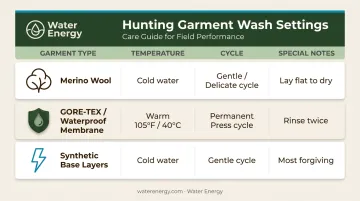
Note: GORE-TEX and SITKA's official care instructions specify warm water at 105°F/40°C — not cold — for waterproof-membrane garments. Follow the garment's care label when in doubt.
Step 5: Handle Game Bags and Accessories
Game bags, head covers, and base layers take the heaviest contamination and need more frequent washing than outerwear.
For game bags specifically:
- Hand-wash first to remove blood and debris
- Machine wash with scent-free detergent
- Add one cup of baking soda directly to the drum — it neutralizes persistent blood odor
- Never use bleach on camo patterns
How to Remove Stubborn Stains from Hunting Clothes
Acting fast is the single most important factor. Hunting stains behave differently from household stains — blood in particular will permanently bond to fabric if you use hot water. Each stain type below needs a different approach, so match the method to the mess.
Blood Stains
Blood is a protein-based stain. Hot water denatures the proteins and locks them into the fibers, making the stain essentially permanent. University of Georgia Extension guidance is unambiguous: treat with cold water immediately, soak for at least 30 minutes.
The cold soak method:
- Submerge the stained area in cold water for 1–6 hours
- Add white vinegar for stubborn cases
- Never use hot water at any stage
Skip strong commercial stain removers. They require multiple wash cycles to flush out completely, leaving chemical residue that undermines scent control.
Mud and Dirt Stains
Don't put mud-caked clothes directly into the washer — the soil spreads and can clog the machine. Instead:
- Rinse with cold water immediately if possible
- If rinsing isn't practical, let the mud dry completely
- Brush off the bulk of dried mud before washing
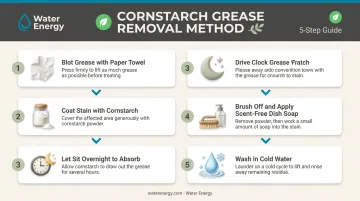
Oil and Grease Stains
The cornstarch method keeps chemicals off your fabric:
- Blot as much grease as possible with a paper towel
- Coat the stain generously with cornstarch
- Let it sit overnight to absorb the oil
- Brush off gently, then treat the spot with a small amount of scent-free liquid dish soap
- Wash normally in cold water
Grass Stains
Skip the chemical stain removers — they introduce fragrances. The non-gel toothpaste method works well and stays neutral:
- Apply a small amount of paste toothpaste (not gel) directly to the stain
- Scrub gently with a toothbrush using small circular strokes
- Rinse thoroughly with cold water, then wash normally
Key Factors That Affect Scent Control When Washing Hunting Clothes
Washing hunting clothes is ultimately a scent management problem. Several variables interact, and a mistake in any one of them can undermine the rest.
Detergent Chemistry
Standard detergents contain two separate threats: synthetic fragrances detectable by a deer's nose, and UV brighteners detectable by a deer's eyes. A 2021 peer-reviewed textile study documented that common stilbene and biphenyl brighteners — both found in consumer detergents — fluoresce maximally near 430 nm, which overlaps with the short-wavelength sensitivity range documented in white-tailed deer.
Even residual brighteners from previous household washes left in the drum can transfer to hunting clothes — which is why the cleansing load in Step 1 isn't optional.
Washing Machine Contamination
A 2024 peer-reviewed review documented biofilms and malodor-associated organisms on washing machine rubber door seals, detergent drawers, and outer drum surfaces. These contamination points are invisible to you but not to wildlife. Fragrance compounds from fabric softeners and detergents deposit on each surface and persist between loads.
The practical fix: run the cleansing load every time, or dedicate a separate machine to hunting clothes.
Water Temperature
Cold water is the right choice for most hunting fabrics because:
- It prevents shrinkage in wool
- It protects waterproof membranes from heat damage
- It doesn't set protein-based stains like blood
- Ozone remains more stable and dissolved longer in colder water, making ozone-based systems more effective at lower temperatures
The one exception: GORE-TEX and similar waterproof-membrane garments carry manufacturer specs for warm water (105°F/40°C). In those cases, follow the care label.
Drying Method and Residue
Dryer sheets deposit fragrance compounds directly onto fabric. Even a dryer previously used with fabric softener sheets can leave residue inside the drum, so the contamination risk doesn't end when the sheet is removed.
Air drying is the gold standard: no residues, no heat damage. When you do use a dryer, low heat has one useful side effect — it can help reactivate DWR (Durable Water Repellency) coatings on waterproof garments. GORE-TEX and SITKA both recommend an additional 20 minutes of low-heat tumble drying after the garment is dry to restore DWR performance.
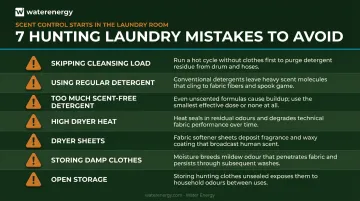
Common Mistakes When Washing Hunting Clothes
Most hunters get the detergent right — then lose it to one of these:
- Skipping the cleansing load. Your machine is already contaminated. Hunting clothes washed in a dirty machine will smell clean to you — and detectable to game.
- Using regular detergent "just once." Even trace amounts of UV brighteners and synthetic fragrances leave residue. There's no harmless dose.
- Using too much scent-free detergent. Even the right detergent leaves chemical film if you use too much. A small amount is correct — with an ozone system, you need even less.
- High heat in the dryer. It damages waterproof membranes, shrinks wool, and degrades fabric technology in technical gear. Always use the lowest setting.
- Dryer sheets. They deposit the exact fragrance compounds you've worked to eliminate. Skip them entirely.
- Storing clothes before they're completely dry. Damp hunting clothes develop mildew fast, and that odor is nearly impossible to wash out after the fact.
- Leaving clean clothes in open spaces. An open closet reintroduces household odors, cooking smells, and pet dander — sealed storage is the only way to protect the wash.
How to Dry and Store Hunting Clothes
Drying — in order of preference:
- Air dry outdoors or in a well-ventilated area away from household odors
- Machine dry on the lowest heat setting; remove while slightly damp and finish air drying
- Avoid extended direct sunlight on synthetics — UV exposure can degrade certain fabrics and fade colors
Proper storage:
Once fully dry, move fast. Place hunting clothes directly into:
- A sealed plastic tote
- An airtight bag
- A dedicated hunting storage bag
Optionally, add dried leaves, cedar, or pine from your hunting area to help clothes take on an environmental scent signature rather than a neutral one.
Never store damp gear.
Before sealing everything up, take a minute to inspect each piece. Look for tears, seam separations, or damage to waterproof membranes. A problem caught now won't cost you a hunt later.
Frequently Asked Questions
Is it okay to wash hunting clothes?
Yes, and washing regularly is necessary. Use scent-free detergent, cold water, and no fabric softeners. Proper washing protects technical fabrics and maintains the scent neutrality your gear is designed to deliver.
What is the best detergent to wash hunting clothes in?
Look for scent-free, UV brightener-free sport washes or hunting-specific detergents. Ozone-based washing systems like Water Energy's Storm go further — they can reduce or eliminate detergent use entirely while destroying odor molecules rather than masking them.
What takes deer blood out of clothes?
Cold water is the answer. Submerge the stained area immediately and soak 1 to 6 hours (hot water permanently sets the stain). White vinegar helps with stubborn cases. Treat the stain before putting the garment in the washer.
Can you use regular laundry detergent for hunting clothes?
Regular detergent is a poor choice. It contains both UV brighteners that make camo visible to deer and synthetic fragrances detectable by their nose. Use a sport wash or hunting-specific detergent instead — or eliminate detergent concerns altogether with an ozone-based system.
Should you air dry or machine dry hunting clothes?
Air drying is preferred — it introduces no residue and avoids heat damage. If using a dryer, use the lowest heat setting and no dryer sheets. For waterproof garments, low heat for an additional 20 minutes after drying can reactivate DWR coatings.
How often should you wash hunting clothes during hunting season?
Wash after any outing with significant sweat, blood, or strong odors, and at minimum between sessions. Biological contaminants degrade fabric over time, and odor buildup compounds with each hunt. Frequent washing is both a scent-control and a gear-preservation habit.