The concept is straightforward: a long soak in hot water with a powdered solution pulls that buried buildup out of fabric fibers. But results vary significantly based on fabric type, ingredient ratios, soak time, and how well you prepare. Done wrong, you risk damaging the very fabrics you're trying to refresh.
This guide covers what laundry stripping actually is, which fabrics it works on (and which it can ruin), the exact recipe with measurements, a clear step-by-step walkthrough, the most common mistakes, and how to prevent buildup from returning.
Key Takeaways
- Laundry stripping uses Borax, washing soda, and powdered detergent to remove mineral, oil, and detergent residue buildup; it does not remove stains
- Use on white or colorfast cotton towels, sheets, and linens only — never on wool, spandex, or dark fabrics
- Standard recipe: ¼ cup Borax + ¼ cup washing soda + ½ cup powdered detergent in a hot bathtub
- Soak 4–5 hours per Arm & Hammer and Tide guidelines, then rinse in the washer with no detergent added
- Stripping should be occasional; if you need it repeatedly, fix your laundry habits first
What Is Laundry Stripping and When Should You Do It?
Laundry stripping is a passive, extended-soak deep-cleaning technique that targets accumulated residue machine washing can't fully break down. Thick, absorbent fabrics like towels and sheets are the biggest problem — buildup embeds deep in the fibers over repeated wash cycles, and a standard machine cycle never reaches it.
What It Actually Removes
Four types of residue drive most buildup:
- Excess detergent or fabric softener left behind from overdosing
- Calcium and magnesium from hard water, which react with soap to produce stiff, dingy laundry (Water Quality Association)
- Body oils and sweat that penetrate fibers over time
- Dryer sheet residue that gradually dulls fabric texture
One older but relevant study measured 110–490 mg/kg of residual anionic surfactant (detergent chemicals) in laundered cotton test strips, with residue increasing alongside detergent quantity. The higher the dose, the more that stays locked in your fabric.
Important: Laundry stripping removes residue, not stains. If your towel has a coffee stain, stripping won't fix that.
Signs You Might Need It
- Towels feel stiff, waxy, or noticeably less absorbent than they used to
- Sheets smell musty even right after washing
- Fabrics look dingy or grayish despite regular laundering
- A sticky or filmy feel transfers to skin after use
Best Candidates vs. Items to Never Strip
| Strip These | Never Strip These |
|---|---|
| White/colorfast cotton towels | Dark-colored fabrics (dye bleed in hot water) |
| Bed sheets and pillowcases | Wool (disrupts natural fiber structure) |
| Washcloths and bath mats | Spandex/workout clothes (high-pH exposure degrades elastane) |
| Cotton blankets | Any item labeled cold or delicate wash only |
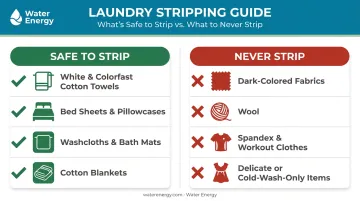
Always check care labels before proceeding. Thicker, natural-fiber fabrics accumulate the most buildup and benefit the most from stripping.
What You Need to Strip Your Laundry
The Three Active Ingredients
- Borax (sodium tetraborate): Mildly alkaline (pH ~9.3), acts as a laundry booster
- Washing soda (sodium carbonate): A precipitating builder (pH 11.4) that enhances surfactant efficiency and tackles mineral deposits
- Powdered laundry detergent: Supplies surfactants that wet fibers and suspend soil — choose a bleach-free formula
Use powdered detergent, not liquid. The stripping method is formulated around powder's dry chemistry, and substituting liquid detergent can throw off the balance of the soak.
The Standard Recipe
For one standard bathtub:
- ¼ cup Borax
- ¼ cup washing soda
- ½ cup powdered laundry detergent
The ratio is 1:1:2 — Borax to washing soda to detergent.
Additional supplies you'll need:
- A bathtub or large bucket
- A long-handled implement for stirring (broom handle, wooden spoon)
- Rubber gloves
- Access to a washing machine for the post-soak rinse
Preparation Checklist
Before you fill the tub:
- ✅ Items should already be freshly laundered — stripping is for clean items with residue buildup, not visibly dirty laundry
- ✅ Sort by color — whites and lights separate from anything colorfast
- ✅ Check every care label
- ✅ Don't overload — fabrics need room to move freely; run two smaller batches instead
How to Strip Your Laundry: Step-by-Step Guide
Step 1: Fill the Tub with Hot Water
Fill a bathtub ½ to ¾ full with the hottest water appropriate for the fabrics you're stripping. Heat is what activates the cleaning action and opens fiber structure to release buildup. Use rubber gloves throughout — the solution is hot and alkaline.
Step 2: Dissolve the Stripping Ingredients
Add the measured Borax, washing soda, and powdered detergent to the hot water before adding the laundry. Stir thoroughly with your long-handled implement until all three powders are completely dissolved. Partially dissolved powder can leave white residue on fabrics — don't rush this step.
Step 3: Add and Submerge the Laundry
Add your pre-washed items and press them fully underwater, swishing to ensure even saturation. The water may begin changing color almost immediately. That's normal — it means the process is working.
Step 4: Soak for 4–5 Hours, Stirring Occasionally
Leave items to soak until the water cools completely, typically 4–5 hours. Both Arm & Hammer and Tide specify this range in their official guidance. Stir or turn items every 60 minutes to expose all fibers to the solution evenly.
Don't extend beyond 5 hours. Maytag specifically notes that stripping is a harsh process, and unnecessary additional soak time increases the risk of fiber stress.
Step 5: Drain, Wring, and Transfer
Drain the (now discolored) water. Wring items gently to remove excess moisture, then transfer directly to the washing machine.
Do not add detergent, fabric softener, or dryer sheets at this stage.
Step 6: Run a Rinse Cycle and Dry
Run a full rinse-and-spin cycle (double rinse if your machine has that option) without adding any products. The stripped residue is now suspended in the water your fabric absorbed. If it isn't flushed out completely, it simply re-deposits back onto the fibers — undoing the whole process.
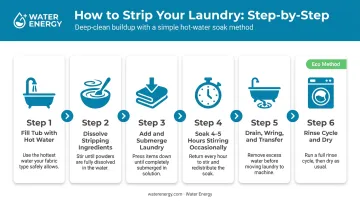
Tumble dry as normal without dryer sheets. Once fully dry, fabrics should feel softer and smell cleaner — often a dramatic difference if buildup was significant.
Common Mistakes and What to Avoid
Using Liquid Detergent
The most frequent substitution mistake. Manufacturer recipes specify powdered detergent, and the stripping method is formulated around it. Liquid detergent won't produce the same result. Powdered detergent is non-negotiable here.
Mixing Colors and Whites
Hot water causes unstable dyes to run, and without bleach in the solution, there's no protection against color transfer permanently staining light items. Always batch by color — whites with whites, colorfast items separately.
Overloading the Tub
When fabrics are packed too tightly, the solution can't circulate properly. Some areas of fabric may not be treated at all. Two smaller batches will always outperform one overcrowded soak.
Skipping the Post-Soak Rinse
The stripped residue stays suspended in the water the fabric has absorbed — without a thorough rinse, it re-deposits right back onto your laundry. Run at least one full wash cycle, ideally two. This step is where most disappointing results originate.
Troubleshooting: When Results Disappoint
No color change in the water: Either the fabric had minimal buildup, or the powder wasn't fully dissolved before the laundry went in. Dissolve the powders completely first — and reconsider whether stripping was necessary for these items.
Persistent odor or stiffness after stripping: The rinse cycle likely wasn't thorough enough, or the soak time was too short. Run an additional rinse cycle. If the problem continues, try a second strip with fresh solution.
How to Prevent Laundry Buildup Going Forward
Fix the Root Cause: Detergent Overdosing
Most buildup stems from one habit: too much detergent. Consumer Reports warns that oversized detergent caps encourage overuse, and SGS noted in 2020 that both liquid and powder detergents are susceptible to overdosing, with excess product leaving residue on fabrics. The American Cleaning Institute recommends following the product label and adjusting for load size and water hardness — not filling the cap to the top by default.
Preventive Habits That Actually Work
- Skip fabric softener on towels entirely. Research confirms softeners deposit cationic surfactants on cotton fibers, coating them in a way that reduces absorbency over time.
- Always run an extra rinse when washing towels and sheets.
- Don't overload the washer — clothes need room to rinse thoroughly.
- Add washing soda occasionally to a regular cycle as a preventive booster.
A Longer-Term Fix for Persistent Buildup
For households where stripping becomes a recurring need, particularly those dealing with hard water or stubborn odors, the real fix is reducing chemical input at the source.
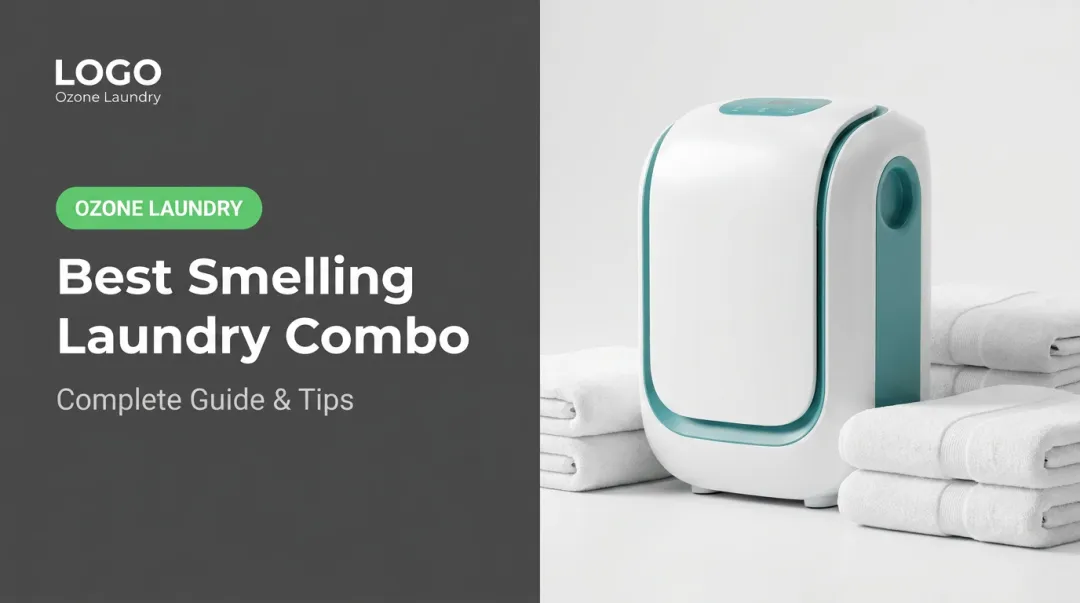
Water Energy's GLS² Storm Deluxe ozone laundry system bypasses the residue problem at its root. Instead of relying on detergents and fabric softeners, it delivers dissolved ozone directly into your washing machine's water supply, doing the cleaning work through oxidation rather than chemistry. The result is a 70–75% reduction in detergent use, with fabric softener recommended to be eliminated completely.
The technology has practical roots. Water Energy developed its Tech2Ozone mass transfer process working on NASA's Space Shuttle Program, then adapted it for residential use after 25 years in commercial laundry applications. Customer feedback consistently reports softer, fluffier towels and the elimination of musty odors: the exact problems that push people toward laundry stripping in the first place.
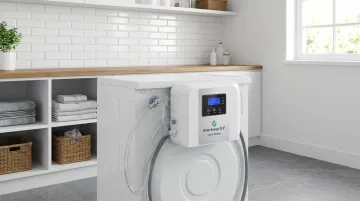
Because ozone leaves no chemical residue behind (it converts back to oxygen after reacting), the buildup cycle that makes stripping necessary never has a chance to start.
Frequently Asked Questions
Is it worth it to strip laundry?
Laundry stripping is worth it when genuine residue buildup is causing reduced absorbency, musty odors, or stiffness. But it's time-consuming and should be a last resort, not a routine. If you're doing it repeatedly, better laundry habits — less detergent, extra rinse, no fabric softener — are the more sustainable fix.
How often should you strip laundry?
Most households shouldn't need to strip at all if their washing habits are correct. If stripping is genuinely necessary, limit it to a few times per year at most. More frequent stripping risks degrading fabric fibers over time, as Maytag specifically notes the process is harsh on textiles.
Can you strip laundry in a washing machine?
No. Maytag explicitly warns that putting the stripping solution directly in a washing machine could damage the appliance. Use a bathtub or large bucket for the soak, then transfer to the washer afterward for a rinse cycle only — no additional products added.
What fabrics should you never strip?
Avoid stripping these:
- Dark-colored fabrics — dye bleed risk in hot water
- Wool — the high-pH solution breaks down natural wool fibers
- Spandex and elastane — hot, high-pH exposure degrades stretch fabrics
- Anything labeled cold or delicate wash — check the care tag when unsure
Why does the water turn brown or gray during laundry stripping?
The discoloration is the buildup itself — detergent residue, hard water minerals, body oils, and fabric softener coating — being pulled out of the fabric fibers into the water. This is exactly what the process is designed to do. Dark, murky water means the solution is working.
Can you use liquid detergent instead of powder for laundry stripping?
Laundry stripping recipes specify powdered detergent, and liquid is not a direct substitute here. Stick with powdered detergent alongside the Borax and washing soda for the recipe to work as intended.